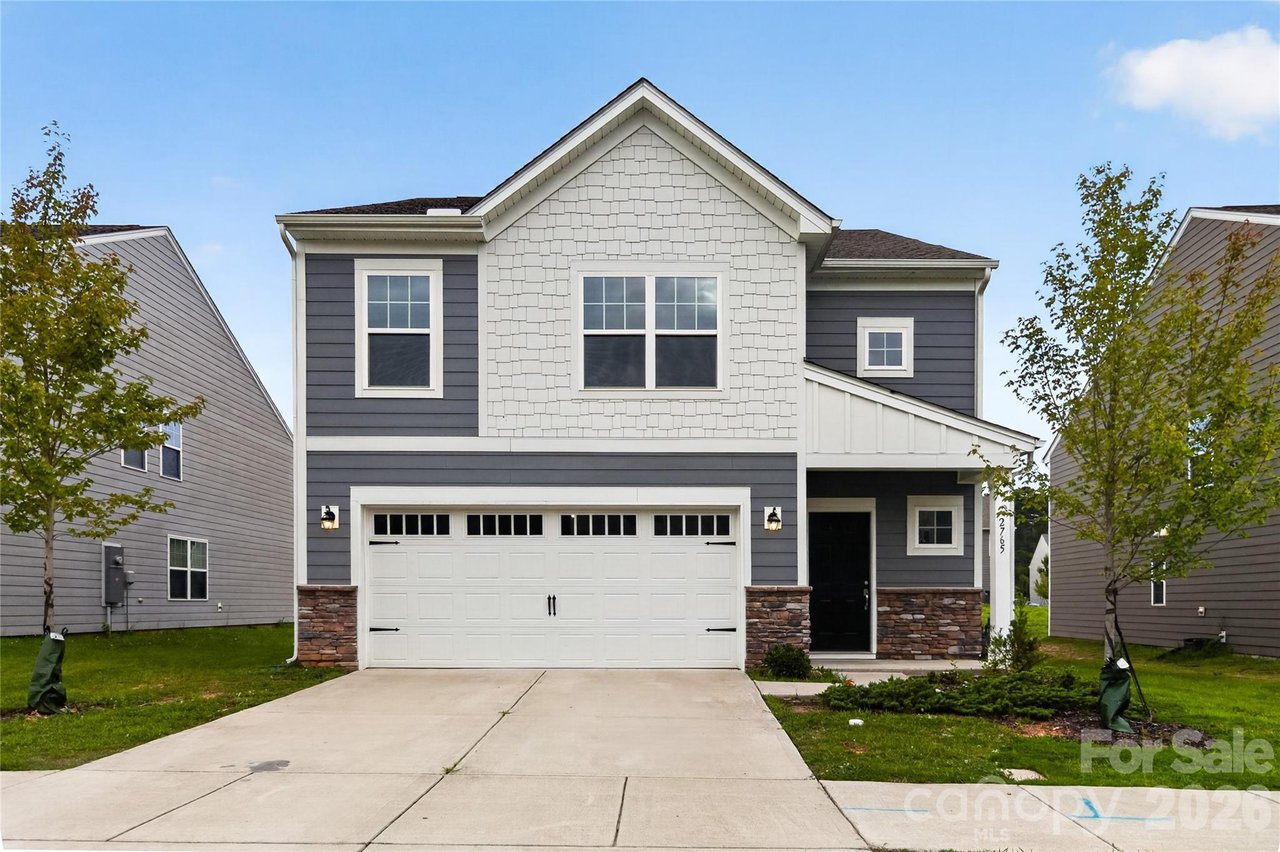
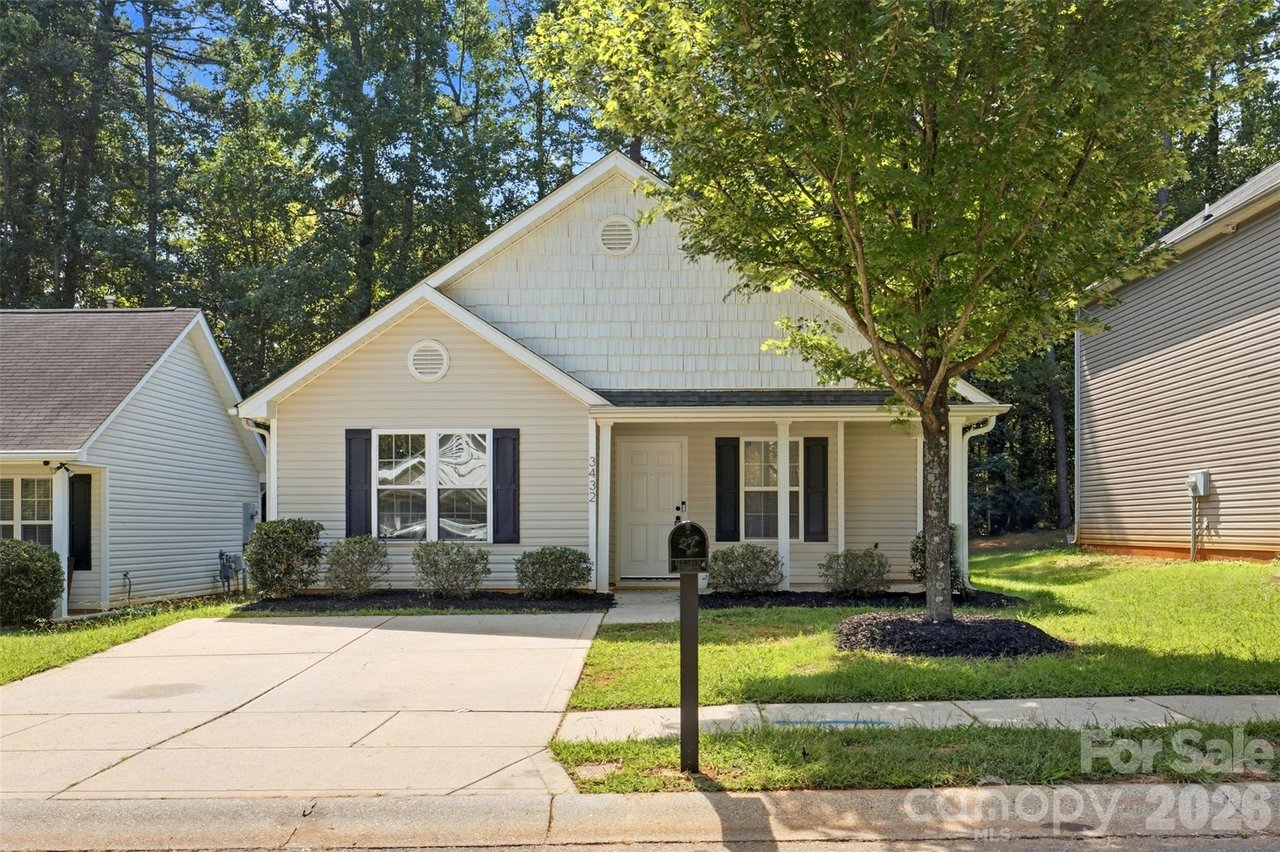
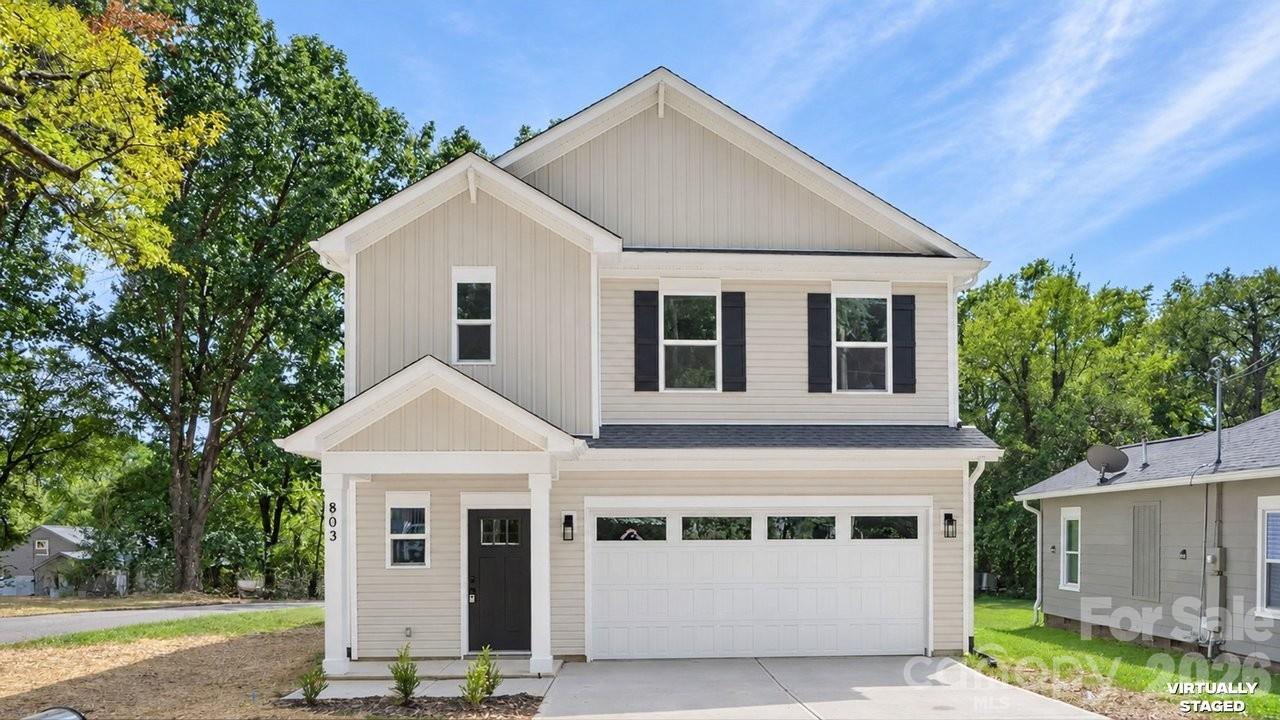
Charlotte continues to thrive as one of the most desirable cities in the U.S. Recently ranked the #5 Best Place to Live by U.S. News & World Report, our city attracts buyers nationwide with its strong economy, vibrant neighborhoods, and status as the second-largest banking hub in the country. With so many people relocating for career and lifestyle opportunities, demand remains high — but so does competition. Homes are now sitting on the market an average of 44 days, up 42% from last year. Even in a thriving city like Charlotte, waiting to sell could end up costing you more than you realize.
Delaying your sale often means more than just waiting for “the right time.” Every extra month you hold off adds expenses — from routine upkeep to fresh paint, landscaping, and unexpected repairs. In a market where buyers expect move-in-ready homes, those costs add up fast. Sellers who wait to list often find themselves juggling last-minute fixes or paying out-of-pocket for updates that could have been avoided with a timely sale.
Beyond maintenance, the financial impact of waiting can be significant. Each passing month brings property taxes, insurance, HOA fees, and utilities that quietly eat into your equity. On a $500,000+ home, that can amount to thousands of dollars per year — money that could’ve been reinvested or used toward your next move. And as inventory climbs nearly 30%, more listings mean more competition. The longer you wait, the more buyers have to choose from, making it harder for your property to stand out.
The takeaway is simple: Charlotte’s growth and reputation continue to attract buyers, but success still comes down to strategy and timing. As a Certified Luxury Home Marketing Specialist with Coldwell Banker Realty, I help sellers market and position their homes to sell faster, stronger, and for top dollar. If you’re thinking about selling, don’t let delays drain your equity. Download my Free Charlotte Home Seller Guide — it walks you through exactly how to prepare, price, and market your home to sell smart while demand is still high.